


The Profound Grief of Mourning a Child Who Is Still Alive.

Some losses have no funeral, no condolences, and no clear moment when the world agrees that something terrible has happened.

For many parents affected by parental alienation, the child is still alive. They may be growing, laughing, learning, changing, and moving through ordinary life. Yet the parent has been pushed out of that life, sometimes slowly and sometimes with brutal suddenness. There may be no phone calls, no birthday visits, no school updates, no casual messages, no chance to say, “I love you,” and hear anything back.
This is one reason the pain can be so difficult to explain. The relationship has not ended in a way society understands. The parent is not bereaved in the traditional sense, yet they are mourning. They are mourning a living child, a missing bond, and years that continue to pass without them.
That kind of pain has a name, ambiguous loss. It describes the experience of grieving someone who is physically present in the world but emotionally absent from daily life. In alienation, that absence can feel especially cruel because the child exists, the love remains, and the hope never quite switches off.
This article is a powerful exploration of the unresolved, often unrecognised grief alienated parents experience when a living child is absent from their life.
If you're an alienated parent or family member and need help with your situation then you should join PAPA today.
At PAPA we have several free to use support spaces, as well as several additional resources available to our Plus members, such as courses, PAPA AI, 1-2-1 help and workshops on family law and mental health.

Ambiguous loss has no clear ending.
Most recognised forms of bereavement have rituals around them. People gather. They send cards. They speak the person’s name. There is often a date that marks before and after.
Ambiguous loss does not work that way.
The child is not gone from the world. There might be photographs online, reports through other people, glimpses in a car park, or occasional messages that arrive without warmth. The parent may know the child is nearby, perhaps even in the same town, but still be unable to reach them in any meaningful way.
That lack of closure traps the mind in a painful loop.
There is no final goodbye, but there is also no ordinary relationship. There is no certainty that the child will return, but there may be enough hope to make giving up feel impossible. A parent can live for years between two emotional states: holding on and being repeatedly hurt by the holding.
This is why the loss can feel frozen. Time moves forward, but the emotional injury keeps returning to the moment contact changed or ended. The birthday that was missed last year becomes another birthday this year. The bed remains empty. The school year changes. The child grows taller in the parent’s imagination, but the parent may not get to witness it.
A living absence has a particular ache. It does not allow the heart to finish the sentence.
The reminders are ordinary, and that makes them harder.
A parent does not only feel the loss on dramatic days. It appears in small, ordinary moments.
A cereal the child used to like. A song in a supermarket. A child of the same age walking past in school uniform. A toy found at the back of a cupboard. A calendar reminder for a parents’ evening that will not involve them.
Then there are the larger milestones:
Birthdays with no cake shared
Christmas mornings without the familiar noise
School plays, exams, and leaving days missed
Holidays that still feel incomplete
Empty bedrooms kept as they were
Presents bought and hidden away, just in case
Photographs saved, studied, and protected
These reminders can make the loss feel fresh again. A parent may be going about daily life, paying bills, working, cooking, speaking politely to neighbours, and then something small breaks through.
A birthday card in a shop can become unbearable. A family advert can feel like a wound. A casual question such as “How are the children?” can leave the parent searching for an answer that is truthful but not too exposing.
The pain is not limited to what has already been lost. It also reaches into what might never happen. The parent may wonder whether they will be invited to a graduation, meet a future partner, hold a grandchild, or ever hear the full story from their child’s own mouth.
That uncertainty turns everyday life into a series of emotional tripwires.

Society often does not know how to recognise this pain.
One of the loneliest parts of ambiguous loss is the lack of public recognition.
When someone dies, people usually understand that grief follows. They may not always respond perfectly, but they know the pain is real. When a child is alive but unreachable, the reaction can be very different.
People may say:
“They will come back when they are older.”
“You need to move on.”
“There must be a reason.”
“Maybe they just need space.”
“At least they are alive.”
Some of these comments are meant to comfort. Others carry suspicion. Either way, they can make the parent feel even more alone.
“At least they are alive” may be factually true, but it does not touch the nature of the wound. A child being alive does not remove the suffering of being cut out of their life. It does not restore the missed years. It does not answer the silence. It does not soothe the fear that the child may have been taught to mistrust, fear, or reject a parent they once loved.
This lack of recognition can create a second injury. The parent is not only dealing with separation from the child. They are also defending the legitimacy of their own pain.
They may feel pressured to prove they are not exaggerating. They may avoid speaking because they fear judgement. They may carry the story carefully, editing it for each listener, aware that family conflict is often simplified by people outside it.
The result is a private form of mourning. It happens in cars, showers, bedrooms, and quiet walks. It happens after seeing another parent with their child. It happens when someone asks a harmless question and the parent realises there is no harmless answer.
The parent can be trapped in an impossible choice.
Alienated parents may feel caught between two painful accusations.
If they keep trying to make contact, they can be labelled intrusive, obsessive, disruptive, or unable to let go. If they step back to reduce pressure on the child, their silence may be used as proof that they never cared.
This double bind is exhausting.
A message sent with love may go unanswered. A card may never be passed on. A request for contact may become another argument. Legal processes, family systems, or informal arrangements can leave the parent feeling powerless. Even when there are orders or agreements, the emotional reality can remain far more complicated than anything written down.
The parent may ask themselves the same questions again and again:
Should I send another birthday card?
Will contact help, or will it place the child under more pressure?
Does stepping back protect the child, or does it look like abandonment?
How do I keep the door open without being punished for trying?
How do I survive another rejection?
There may be no perfect answer. That is part of what makes this form of loss so draining. Normal parental instincts keep pulling the parent towards the child. The surrounding conflict may punish almost every attempt to follow those instincts.
The parent is expected to remain loving, patient, hopeful, calm, and available while living through repeated rejection. They are expected to absorb missed years that can never be returned.
That is not a small emotional task. It asks a person to keep loving in the absence of reassurance.

The psychological cost can be profound.
Ambiguous loss keeps the nervous system alert because the story remains unfinished. The mind keeps searching for a solution, a sign, an opening, or an explanation.
A parent may replay old conversations, court dates, handovers, messages, or sudden changes in the child’s behaviour. They may wonder what the child has been told. They may imagine possible reunions. They may fear the child has forgotten them, or worse, believes they were unloved.
Over time, this unresolved state can affect health and daily functioning. People experiencing this kind of loss may struggle with:
Anxiety and constant worry
Low mood or depression
Sleep problems
Loss of appetite or comfort eating
Social withdrawal
Difficulty concentrating
Irritability or emotional numbness
Shame, self-blame, or hopelessness
These reactions do not mean the parent is weak. They are human responses to an ongoing attachment injury.
A single phone notification can reignite hope. A silent birthday can crush it again. A chance sighting can bring comfort and pain at the same time. A message from the child, even a cold one, can be read and reread for hidden meaning.
The body and mind do not get a clean grieving process because the loss never fully settles. There is no stable truth to adapt to. The parent lives with “maybe” for months or years.
This article is for general information only and is not a substitute for medical, psychological, or legal advice. Anyone feeling unable to cope, unsafe, or at risk of harming themselves should seek urgent support from emergency services, a crisis helpline, a GP, or a qualified mental health professional.
Healing does not mean accepting the injustice.
For many parents, the word healing can feel offensive at first. It may sound like being asked to move on, forgive the harm, or stop caring about the child.
Real healing asks none of that.
Healing in this context means finding ways to live without letting the pain destroy every part of life. It means protecting enough emotional strength to remain available if reconnection becomes possible. It means building a life the child could one day return to, rather than a life entirely consumed by the absence.
That can include practical and emotional steps.
Keep a record of love. Some parents write letters they do not send, keep a memory box, or save cards and photographs. This can provide a thread of continuity. It says, “I did not stop being your parent.”
Seek informed support. Not every friend, relative, therapist, or support worker will understand alienation or ambiguous loss. Finding someone who can listen without rushing to blame or false reassurance can reduce isolation.
Create rituals for painful dates. Birthdays, Christmas, and other milestones may need a plan. Lighting a candle, writing a note, taking a walk, or spending time with safe people can give the day some shape.
Protect the body. Sleep, food, movement, and routine can sound too basic for such a deep wound, but they matter. A body under chronic stress needs steady care.
Set boundaries around rumination. Searching for answers can become endless. Some parents find it helpful to set aside a limited time to write, reflect, or plan, then deliberately return to the present.
Stay connected to life. Friendship, hobbies, work, faith, volunteering, nature, exercise, and creativity do not replace the child. They help keep the parent alive inside.
None of these steps erases the injustice. They do not make the situation acceptable. They help the parent remain whole enough to keep going.
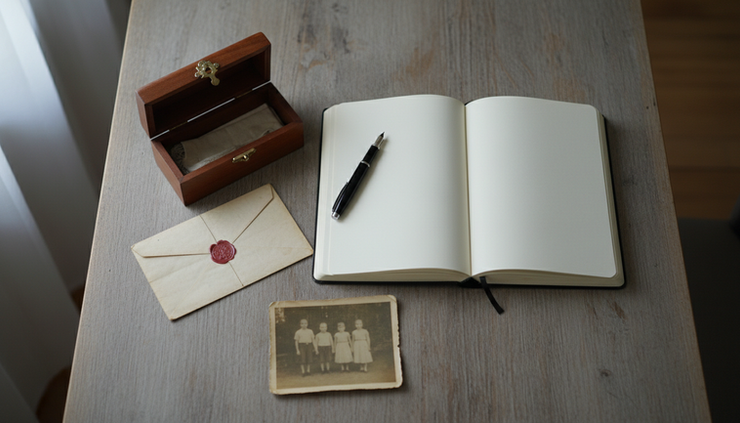
Keeping the door open without standing still.
One of the hardest balances is learning how to remain open to the child without freezing life in place.
An open door does not mean waiting by it every hour. It does not mean tolerating endless emotional collapse. It does not mean abandoning all joy until the child returns.
It means preserving a clear message, even if it cannot yet be received:
“I love you. I have not forgotten you. I am here if and when you are ready.”
That message can exist in letters, cards, carefully chosen attempts at contact, or the way the parent speaks about the child to others. It can also exist privately, as a commitment not to let bitterness define the whole relationship.
At the same time, the parent is still a person with a life. The lost years matter, but so do the years still being lived. Healing may involve allowing laughter without guilt, forming new routines, celebrating other relationships, and taking moments of peace when they come.
This can feel disloyal at first. Some parents fear that feeling better means they are letting the child go. In reality, survival is not betrayal. A parent who keeps living is not loving less.
A life worth returning to may be one of the strongest gifts an absent child can later find. Not a perfect life. Not a life without scars. A life where love remained, but pain did not burn everything down.
This grief deserves a name.
Alienated parents are not mourning because their child has died. They are mourning birthdays missed, memories stolen, bedtime stories that stopped too soon, school milestones seen only through fragments, and a relationship that still exists in the heart but not in daily life.
That pain is real even when others cannot see it.
It is not made smaller by the child being alive. In some ways, the child’s presence somewhere in the world makes the ache more complex. There is always the possibility of return, and that possibility keeps hope alive. It also keeps the wound open.
Recognising ambiguous loss does not solve everything, but it gives language to an experience many parents have carried in silence. It allows the pain to be named without shame. It helps explain why “move on” is not enough, why hope can hurt, and why a parent may keep loving a child who appears to have turned away.
The grief of mourning a living child is not ordinary bereavement. It is grief without closure, without public ritual, and often without compassion.
It deserves to be recognised. It deserves to be spoken about carefully. Most of all, the parents living with it deserve support that does not ask them to stop loving their child in order to survive.
In need of help or support?
If you are an alienated parent reading this article and feel you are in need of help and support then please make sure to join PAPA today by signing up here on our website.
This will give you access to our community support forum as well as our Resource Centre, which includes downloadable guides and on-demand courses to help through the process of being alienated and regaining contact with your children.
We also have our Facebook support group that you can join here.
Our Facebook support group has several dedicated chat rooms where you can get immediate support.
If you are a member of PAPA you can also send us a message here on the website and we will try to get back to you as soon as possible but please bear in mind, we have hundreds of messages weekly so it may take us a while to get back to you.
We are currently prioritising PAPA Plus members due to high demand.
Regardless of circumstance you are not alone and at PAPA we are here to support you.
Become a PAPA Ambassador.
If you like our resources, articles and support networks and agree with what we stand for then why not get involved and help us push PAPA further by joining our Ambassador Program?
We would love for you to join us and help spread awareness for parental alienation and all of the dynamics involved so that we can continue to help parents and children towards a better future.
Our Ambassador Program allows you to grow your involvement with the cause by earning points on your membership.
To earn points we have created rewards for actions such as completing one of our courses, booking a case review, or ordering supply.
We will be adding new rewards and actions to our Ambassador Program as we continue to grow our awareness efforts.
We want our members to feel rewarded for their support as we continue to look for new ways to improve the lives of those impacted by parental alienation.
You can also become a PAPA Plus member, which will give you exclusive access to even more help and resources.
Each PAPA Plus membership makes a huge difference to the cause as it really helps us to improve our services and our awareness campaigns.
Proceeds from memberships and supply allow us to push the cause much further towards raising awareness and improving our services and resources so that we can continue to help more and more parents and children.
Thank you for reading and for your continued support of PAPA and our mission to end parental alienation.


Comments