


Why Secretly Recording Your Child Can Backfire.

When you believe your child is being turned against you, the urge to prove what is happening can become intense.
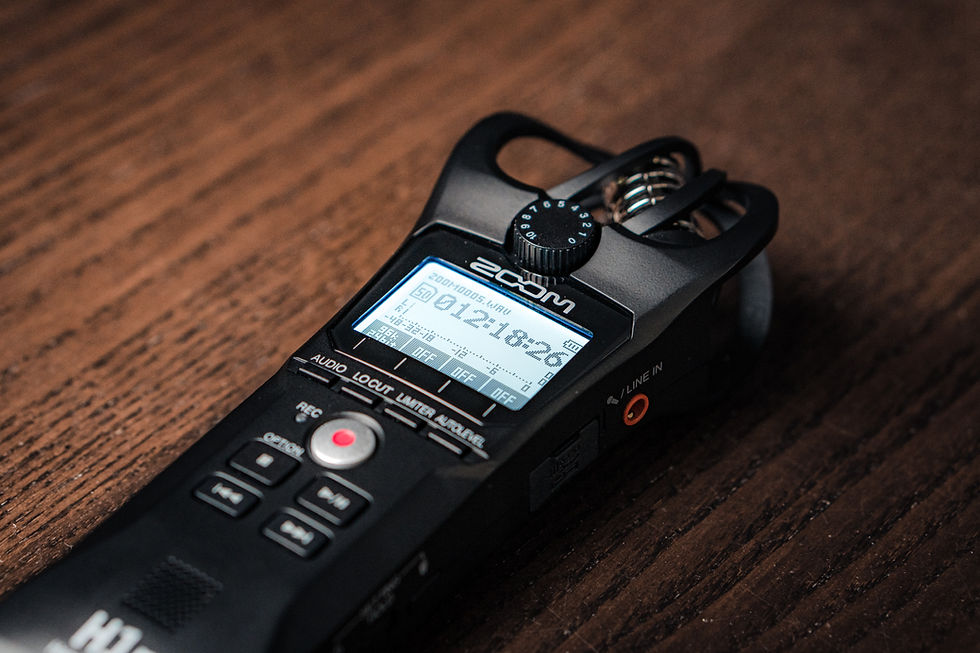
A child comes home withdrawn. They repeat something that sounds rehearsed. They describe pressure from the other household. In that moment, reaching for your phone can feel like the only way to make people listen.
You may think, “If I can just record what they are saying, someone will finally understand.”
That instinct is human. It comes from fear, frustration and the need to protect your relationship with your child. But secretly recording your child can create serious problems. It can affect how the conversation sounds, how the court views your judgement, and how safe your child feels with you.
This article explains why secretly recording a child can damage trust, complicate safeguarding concerns and potentially weaken rather than strengthen a family court case.
If you are a parent currently going through family court, it is important that you join PAPA Plus and make use of our courses and other resources, including PAPA AI.
If you require direct assistance with your case, you can also book a call or one of our family law workshops with PAPA as a 'Plus' member.

Your child is not evidence.
A child may say something after contact that is upsetting or alarming. They may repeat an allegation. They may say one parent told them not to trust the other. They may describe being asked questions about court, money, new partners or adult disputes.
When this happens, the temptation is to capture it straight away.
The problem is that children can sense when a conversation has changed. They notice when a parent becomes tense, reaches for a device, asks the same thing twice, or pushes for more detail. Even when nothing is said directly, the child may understand that their words are being used for something bigger.
That can place a heavy burden on them.
A child caught between parents may already feel they have to manage adult feelings. They may worry that telling the truth will upset one parent. They may fear saying the “wrong” thing. They may try to give the answer they think will make the adult in front of them calm down.
Once a child feels recorded, tested or interviewed, they can be pulled deeper into the conflict. The focus can shift from their wellbeing to their usefulness as proof.
Children should not feel responsible for proving a parent’s case. They should not feel they have to perform distress for a court, repeat allegations on demand, or explain adult behaviour in a way that satisfies either parent.
A better starting point is simple and child-centred:
listen calmly
avoid reacting with shock or anger
use open, gentle questions if needed
do not press for repeated detail
write down what was said afterwards, using the child’s own words where possible
That approach protects the child and may also protect the quality of the information.
Recording can change what gets said.
Recordings may feel neutral. A phone captures sound, so it must capture the truth, or so it may seem. In family cases, the context around a recording often matters as much as the words on it.
A parent who is frightened about alienation may start asking questions that sound natural in the moment but later appear leading.
For example:
“What did Mum tell you about me?”
“Did Dad make you say that?”
“Tell me again what happened.”
“You said last time they told you not to love me, didn’t you?”
“Say what you told me in the car.”
These questions can shape the answer. They can suggest what the adult expects. They can make the child feel there is a right version of events.
Even a caring parent can fall into this pattern. The aim may be to understand the harm. The effect may be to draw the child into a pressured exchange.
A recording can also miss important context. It may not show what happened before the phone started recording. It may not show the child’s mood earlier in the day, whether they were tired, whether they were trying to please someone, or whether they used words they did not fully understand.
That does not mean children should not be believed. It means adults must be careful not to contaminate what the child is saying.
A child’s words matter most when they are heard safely, not extracted under pressure.
If a parent appears to be steering the conversation, the recording can lose value. Worse, it can raise questions about the parent’s conduct. Instead of asking, “What is happening to this child?”, the focus may become, “Why was this child being questioned like this?”

The court may ask how the recording was made.
In England and Wales, covert recordings may sometimes be put before the court. There is no automatic right to rely on them. Whether they are admitted, and what weight they carry, will depend on the circumstances.
That includes how the recording was obtained.
The Family Justice Council has warned about covert recordings in family proceedings, especially recordings of children. Courts generally do not approve of parents secretly recording children. The court may consider the child’s privacy, the emotional impact on the child, the reason for the recording and whether the process caused harm.
This is where secretly recording can backfire in a very practical way.
A parent may see the recording as proof that the other household is causing harm. The court may also see a child being placed under pressure, having private moments captured, or being drawn into adult litigation.
A recording that was meant to strengthen the case may open a different line of concern:
Why was the child being recorded at all?
That question can matter. Family proceedings focus on the welfare of the child. If the court thinks a parent has prioritised evidence gathering over the child’s emotional safety, that can damage credibility.
The same applies to repeated recordings. One recording made in a genuine crisis may be viewed differently from a pattern of recording every handover, every upset conversation or every comment after contact. A pattern can suggest that the child is living under surveillance.
It can also affect the wider tone of the case. Family court and family law decisions often turn on judgement, child focus and proportionality. A parent may have valid concerns, but the way they respond to those concerns can still be examined.
None of this means evidence does not matter. It does. But evidence gathered in a way that harms the child may create as many problems as it solves.
Trust can be damaged in ways that are hard to repair.
Imagine discovering that someone you trusted had recorded your private conversations without telling you. Now imagine that discovery as a child, already trapped between two parents.
The damage may not be immediate. The child may not find out straight away. But if they do, the message can feel devastating.
They may think:
“I can’t say anything safely.”
“My feelings are being used.”
“I have to be careful with both parents.”
“If I talk, it might end up in court.”
Children who feel watched may become guarded. They may stop sharing worries. They may say less after contact. They may hide distress because they do not want it used in conflict. They may try harder to stay neutral, or they may align more strongly with the parent they feel is not recording them.
That is a high price to pay.
In alienation cases, trust is already fragile. The relationship may feel strained. Contact may be inconsistent. The child may be anxious, hostile, confused or distant. In that setting, a parent’s safe, steady presence matters.
A child needs to know they can speak without being turned into a witness. They need to know that comfort is not conditional on producing useful information. They need to know that their parent is listening to them as a child, not preparing them as part of a case file.
Evidence gained at the cost of a child’s trust can become deeply expensive. Even if it helps in one hearing, it may harm the relationship the parent is trying to protect.

Safeguarding is different.
There are situations where a child says something that must be taken seriously at once. If a child reports abuse, harm, threats, neglect or immediate danger, safeguarding comes first.
That does not mean turning the child into an investigator. It means responding calmly and getting the right help.
A safer response may look like this:
Stay calm enough for the child to keep talking.
Reassure them that they have done the right thing by telling you.
Do not promise secrecy.
Avoid repeated questioning.
Use open words such as “Tell me what happened” rather than suggesting an answer.
Write down what was said as soon as possible.
Record the date, time, setting and the child’s exact words where you can.
Seek legal advice or contact the appropriate safeguarding service if there is a risk of harm.
The aim is protection. The aim is not to gather the most dramatic clip.
If a child has made a serious disclosure, repeated questioning can cause problems. It may distress the child. It may affect later professional enquiries. It may also allow someone else to argue that the child’s account has been influenced.
Calm, accurate written notes can be powerful. So can messages, patterns of missed contact, school concerns, medical records, reports from professionals and a clear timeline of events.
Where there is immediate danger, contact emergency services. Where there is an ongoing safeguarding concern, get advice from a solicitor, social care, the police or another appropriate professional route. Do not sit on serious information because you are unsure whether you have the “right” evidence.
Strong evidence needs strategy, not panic.
Parents often record because they feel unheard. They may have raised concerns before and felt dismissed. They may worry that the other parent is more persuasive. They may feel the court will not understand the emotional reality unless there is audio or video proof.
That fear is understandable. But strong cases are rarely built by recording every emotional conversation with a child.
They are usually built through careful patterns, clear records and calm presentation.
Useful evidence may include:
a dated log of incidents
messages between adults
missed or disrupted contact records
school or nursery observations
medical or therapeutic records where relevant
previous court orders
examples of non-compliance
professional reports
notes of what the child said, written shortly after the event
evidence of your own child-focused behaviour
The key is not volume. The key is relevance.
A folder full of recordings may be less helpful than a clear chronology showing repeated behaviour over time. A calm note made on the day may be more useful than a pressured recording made when a child was upset. A solicitor can help identify what supports the legal issues and what may distract from them.
Strategy also means knowing what not to do.
Do not ask your child to gather information. Do not ask them to report back on the other home. Do not coach them on what to say to professionals. Do not expose them to adult documents, allegations or court plans. Do not make them feel that love depends on loyalty.
The strongest position is often the one that shows consistency: you are concerned, you are observant, you are child-focused and you are not escalating the conflict through the child.

Before you start recording, pause.
The pressure to prove alienation can make every conversation feel urgent. But a child’s trust is not a small detail. It is central to their safety and to the relationship you are trying to protect.
Before recording, ask yourself:
Is my child in immediate danger?
Am I listening, or am I trying to obtain a particular answer?
Could this make my child feel responsible for the case?
Would I be comfortable explaining to the court why I recorded this?
Is there a safer way to document what happened?
Have I taken legal advice on the best evidence for my situation?
PAPA Plus helps parents understand what to document, what may assist their case and how to avoid steps that could make matters worse. Members receive ongoing one-to-one case support, specialist resources, courses, PAPA AI and practical family-court guidance.
The goal is not to ignore worrying behaviour. The goal is to respond in a way that protects both your case and your child.
Before turning your child into evidence, get a strategy. Then build your case without sacrificing the trust your child may need from you most.
In need of help or support?
If you are an alienated parent reading this article and feel you are in need of help and support then please make sure to join PAPA today by signing up here on our website.
This will give you access to our community support forum as well as our Resource Centre, which includes downloadable guides and on-demand courses to help through the process of being alienated and regaining contact with your children.
We also have our Facebook support group that you can join here.
Our Facebook support group has several dedicated chat rooms where you can get immediate support.
If you are a member of PAPA you can also send us a message here on the website and we will try to get back to you as soon as possible but please bear in mind, we have hundreds of messages weekly so it may take us a while to get back to you.
We are currently prioritising PAPA Plus members due to high demand.
Regardless of circumstance you are not alone and at PAPA we are here to support you.
Become a PAPA Ambassador
If you like our resources, articles and support networks and agree with what we stand for then why not get involved and help us push PAPA further by joining our Ambassador Program?
We would love for you to join us and help spread awareness for parental alienation and all of the dynamics involved so that we can continue to help parents and children towards a better future.
Our Ambassador Program allows you to grow your involvement with the cause by earning points on your membership.
To earn points we have created rewards for actions such as completing one of our courses, booking a case review, or ordering supply.
We will be adding new rewards and actions to our Ambassador Program as we continue to grow our awareness efforts.
We want our members to feel rewarded for their support as we continue to look for new ways to improve the lives of those impacted by parental alienation.
You can also become a PAPA Plus member, which will give you exclusive access to even more help and resources.
Each PAPA Plus membership makes a huge difference to the cause as it really helps us to improve our services and our awareness campaigns.
Proceeds from memberships and supply allow us to push the cause much further towards raising awareness and improving our services and resources so that we can continue to help more and more parents and children.
Thank you for reading and for your continued support of PAPA and our mission to end parental alienation.


Comments